How Often Should You Schedule Fotona Laser Treatments?
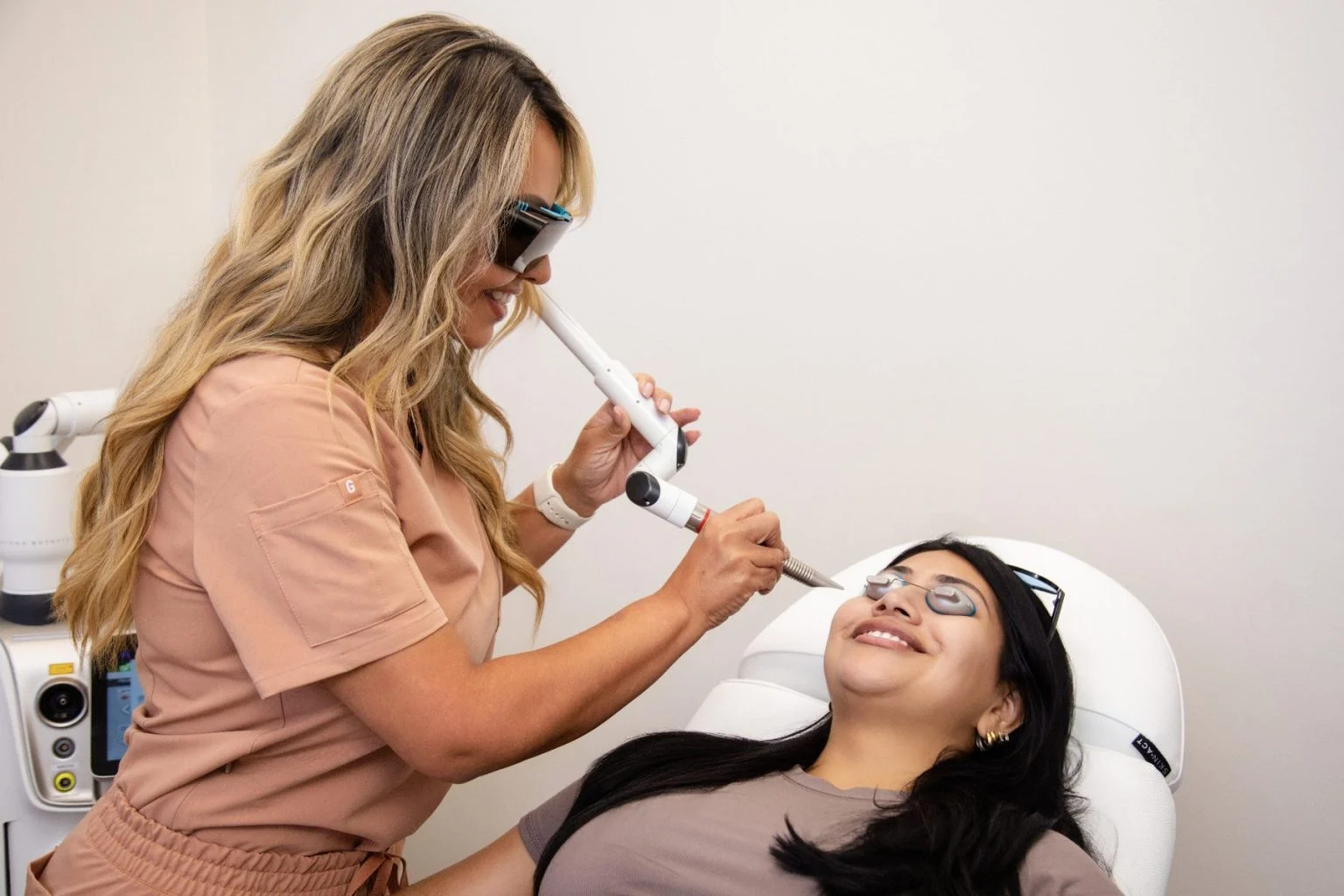
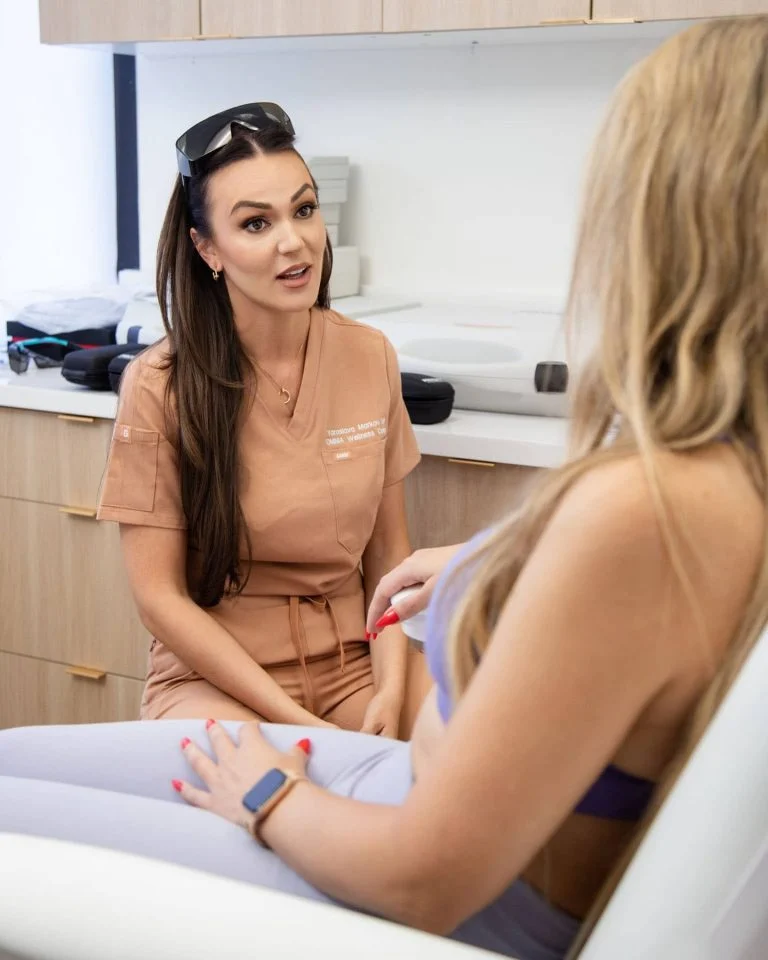

If you ask ten experienced aesthetic practitioners how often someone should book Fotona Laser Treatments, you may hear ten slightly different answers. That is not because the technology is vague or unpredictable. It is because the right schedule depends on what you are treating, how your skin responds, how aggressive the settings are, and what kind of result you actually want.
A patient coming in for texture refinement after years of sun exposure needs a different cadence than someone using Fotona for acne scarring, mild laxity, vascular concerns, or maintenance after a previous series. Age matters. Skin quality matters. Downtime tolerance matters. Even the calendar matters, especially for people who spend a lot of time outdoors or who are prone to post-inflammatory pigment changes.
The short version is simple enough. Most people do not need Fotona every week, and most do not get the best results from a single treatment and then nothing for years. In practice, the sweet spot is usually a series spaced several weeks apart, followed by occasional maintenance. The real question is what “several weeks” and “occasional” mean for your skin and your goals.
Why timing matters more than people think
Laser results are not just about what happens on the treatment day. A great deal of the improvement comes from what your skin does afterward. Depending on the Fotona modality being used, the treatment can trigger collagen remodeling, tissue tightening, pigment reduction, vascular improvement, or controlled resurfacing. None of those processes are instantaneous.
When treatments are spaced too close together, you can end up treating tissue that is still recovering. That can increase irritation, prolong redness, and make it harder to judge what each session actually accomplished. When they are spaced too far apart during an initial corrective series, the cumulative effect may be weaker than intended. It is a bit like strength training. You want enough recovery between sessions, but you also want consistency so the gains build on each other.
This is one reason consultations matter so much. Good scheduling is not arbitrary. It is based on your treatment settings, your history with lasers, your skin tone, your healing pattern, and whether the target is superficial or deeper in the tissue.
What Fotona actually covers
“Fotona” is often used as a broad umbrella, but it is not just one treatment. It refers to a laser platform that can be used in different ways. Some protocols are gentle and focused on stimulating collagen with minimal downtime. Others are more intensive, especially if resurfacing is part of the plan. Certain approaches are used for facial rejuvenation, while others target acne, scars, pores, redness, or laxity. There are also body applications.
That matters because scheduling depends heavily on intensity. A light collagen-stimulating session may be repeated sooner than a deeper ablative or more aggressive resurfacing treatment. Two people can both say they are getting Fotona Laser Treatments and have very different post-treatment timelines.
A patient who had a mild lunchtime-style session may be ready again in three to four weeks. Another patient who had a stronger resurfacing treatment with several days of social downtime might need six to eight weeks or more before the next session. Neither schedule is wrong. They are simply built for different endpoints.
The most common treatment intervals
For many facial rejuvenation plans, a common starting point is a series of three to four sessions spaced about four weeks apart. That interval gives the skin enough time to calm down and begin its remodeling process while keeping the momentum of treatment. It is common in clinics because it balances biology with practicality. Patients can fit it into real life, and practitioners can assess progress from one session to the next.
For acne scar work or textural irregularities, spacing often lands closer to four to six weeks. Scars can take time to remodel, and the visible changes tend to accumulate gradually. In experienced hands, a clinic may tighten or extend the interval depending on how reactive your skin is and how much downtime each session causes.
For more intensive resurfacing, six to eight weeks is often more realistic. The skin barrier needs proper recovery. Redness may linger, even when healing is going well. Collagen remodeling continues under the surface for months, so pushing treatments too fast rarely improves the outcome.
Maintenance is where people often get confused. Once the initial series is done, most patients do not continue on the same schedule forever. Instead, maintenance sessions are often placed every three to six months, and sometimes just once or twice a year. It depends on whether the main goal is preserving firmness, keeping pores and texture in check, or addressing an ongoing issue like acne or redness.
A practical way to think about your schedule
One of the clearest ways to approach Fotona Laser Treatments is to separate treatment into phases. In clinic practice, that framework helps set expectations and keeps people from overbooking or under-treating.
- The corrective phase is the initial series, usually several sessions spaced a few weeks apart.
- The consolidation phase is the period right after the series, when your skin is still remodeling and no immediate repeat may be needed.
- The maintenance phase is occasional follow-up treatment to preserve gains.
- The adjustment phase happens when life, sun exposure, hormones, acne flares, or aging change the plan.
That four-part view is useful because it reflects reality. Very few people fit neatly into a one-size-fits-all calendar.
Your treatment goal changes the frequency
Someone trying to soften early laxity may do well with a cluster of sessions and then only periodic upkeep. Someone focused on acne may need more structured spacing at first, especially if breakouts are active. Scar revision tends to demand patience. Fine lines and crepey texture can improve relatively quickly, but deeper etched lines or longstanding acne scars often need a longer campaign.
A woman in her late thirties with mild cheek laxity and early perioral lines might do three sessions four weeks apart, then return twice a year. A man with significant acne scarring and thicker skin may need four or five sessions, each about a month apart, followed by reassessment several months later. A patient using Fotona as part of a broader anti-aging plan, along with retinoids, neuromodulators, and careful sun protection, may need less frequent laser maintenance than someone relying on laser alone.
This is where expectations need to be honest. Frequency is not just about how often you can tolerate treatment. It is about how much change is biologically realistic.
Skin type and healing speed matter
Experienced laser practitioners pay close attention to how your skin behaves after the first session. Some patients swell modestly and look nearly normal within a day or two. Others stay pink for longer, feel drier, or develop transient roughness as the surface renews. Neither response is inherently bad, but it affects timing.
Darker skin tones, or anyone with a history of hyperpigmentation, often need a more conservative pace. That does not mean Fotona is off the table. It means planning becomes more deliberate. A clinic may choose gentler settings, strengthen your pigment-prep routine, and leave a bit more room between sessions to reduce the chance of irritation-driven discoloration.
Patients who use retinoids aggressively, exfoliate frequently, or have a compromised skin barrier also need a more careful rhythm. Sometimes the best thing a provider can do is delay the next session by a week or two, repair the barrier, and then proceed. Better results often come from restraint, not from squeezing in another treatment too quickly.
The “more is better” trap
It is easy to assume that if a laser helps, more appointments must help more. That idea causes a lot of disappointment.
Collagen remodeling takes time. Tightening and texture changes continue to develop after the treatment glow has faded. If you judge the result too early, you may think you need another session immediately, when what you really need is patience. On the other side, clinics that oversell frequent packages without clear reasoning can push patients into unnecessary cost and downtime.
A healthy schedule respects the tissue. It also respects the fact that not every session needs to be identical. Providers often adjust energy, pulse duration, pass count, or treatment emphasis depending on your response. A thoughtful series is dynamic. The timing may shift after the first or second appointment because your skin has shown the practitioner what it can handle.
Seasonal timing can make a real difference
For patients who love outdoor exercise, live in sunny climates, or travel often, treatment frequency has to be coordinated with sun exposure. This is especially true for any protocol that leaves the skin more reactive or vulnerable in the short term.
Fall and winter are popular for a reason. They make post-laser sun avoidance easier. People who ski or vacation in strong sun still need to plan carefully, but in general, the lower-pressure social season helps. By contrast, someone who books an aggressive session right before a beach holiday may find themselves frustrated by aftercare restrictions and heightened pigment risk.
This does not mean Fotona Laser Treatments can only be done in cold weather. It means the schedule should fit your real habits. If you know you will be outdoors every weekend, that may influence whether your provider chooses lighter monthly sessions or a stronger treatment at a different time of year.
Signs your current interval may be too short or too long
Sometimes the best clues come from your own recovery pattern. If you are still visibly inflamed when the next appointment rolls around, the interval may be too tight. If your skin becomes increasingly irritated over the series, the plan may need adjusting. If months pass between early corrective sessions and each treatment feels like starting over, the spacing may be too wide for your goals.
A well-run treatment plan usually has a rhythm that feels sustainable. The skin recovers, you see incremental change, and each visit builds on the last. There is enough time to heal, but not so much time that the momentum disappears.
How maintenance usually works in real life
Maintenance is rarely as rigid as patients expect. Some people thrive on a set calendar, such as every four months. Others come in when they notice texture dullness, increased pore visibility, loosening around the jawline, or the return of redness. Neither approach is inherently better.
A patient with strong skincare habits, daily sunscreen use, and limited sun damage may stretch maintenance to twice yearly. Another patient with chronic photodamage, smoking history, or ongoing collagen loss may prefer every three to four months. If there is a special event, such as a wedding or a professional photo session, timing may be modified so the skin is at its best during that window.
The mistake is assuming maintenance should look exactly like the initial series. Usually it does not. It is lighter, less frequent, and more responsive to what your skin actually needs.
When a provider may recommend waiting longer
There are periods when the smartest schedule is no schedule at all, at least temporarily. If you have an active tan, a fresh sunburn, an eczema flare, a compromised barrier, or unexplained irritation, treatment may need to pause. Certain medications or medical conditions can also affect timing. Pregnancy policies vary by clinic and indication, so that should be discussed directly with your provider.
It is also reasonable to wait longer if your last session produced more swelling, heat, crusting, or pigment shift than expected. A good clinic would rather delay than push through and create a problem that takes months to settle.
Questions worth asking before you book a series
Patients often focus on price per session, but the more useful questions are about cadence and adjustment. Before committing, ask how many sessions are typically recommended for your concern, how far apart they are usually spaced, and what factors might change that timeline. Ask what kind of improvement is expected after one session versus after a full series. Ask how maintenance is handled once the initial work is done.
A practitioner who answers in absolutes without looking at your skin is usually oversimplifying. A practitioner who gives a range and explains why that range exists is often thinking more carefully.
What a sensible schedule can look like
Here are a few realistic examples, not prescriptions, but useful reference points from common practice patterns:
| Treatment goal | Typical initial spacing | Typical series length | Maintenance | |---|---|---|---| | Mild rejuvenation, glow, early texture concerns | 3 to 4 weeks | 3 sessions | Every 4 to 6 months | | Acne scars or more noticeable texture issues | 4 to 6 weeks | 3 to 5 sessions | Reassess at 6 months, then as needed | | Stronger resurfacing or higher-downtime sessions | 6 to 8 weeks | 1 to 3 sessions | Once or twice yearly | | Tightening and collagen support | About 4 weeks | 3 to 4 sessions | Every 3 to 6 months |
These are broad patterns, not fixed rules. The actual plan depends on treatment intensity, skin response, and your goals.
Pairing Fotona with other treatments affects the calendar
Many patients do not use laser in isolation. They combine it with skincare, injectables, microneedling, peels, or RF-based procedures. Once you layer treatments, timing becomes more important. If someone has had Botox, filler, or a medium-depth peel recently, the laser schedule may need to account for that. Not because combination treatment is a bad idea, but because sequencing matters.
For example, a patient doing resurfacing and also using prescription retinoids may need a longer prep and recovery window. A patient combining laser with scar-focused microneedling may alternate modalities instead of stacking them tightly together. The cleanest treatment plan is not always the busiest one.
Results are often slower, and better, than patients expect
One pattern shows up again and again in aesthetic medicine. Patients underestimate how subtle early change can be and overestimate how quickly final change should arrive. With Fotona Laser Treatments, especially collagen-focused ones, some of the best improvements reveal themselves gradually. Skin can look smoother, tighter, and more refined at eight or twelve weeks than it did at two weeks.
That delayed payoff is one reason frequent retreatment can be counterproductive. If you stack sessions without allowing for visible maturation, you may spend more than necessary and still feel uncertain about what worked.
Good practitioners track progress with photos under consistent lighting. Memory is unreliable. Photos are not. They help decide whether the current interval is appropriate or whether the plan needs recalibration.
The answer most people actually need
So how often should you schedule Fotona Laser Treatments?
For most patients, start with a professionally guided series of three to four sessions, usually spaced about four weeks apart, then move to maintenance every three to six months, or less often if your skin holds results well. If the treatment is more aggressive, or if your skin is reactive, darker, recently sun-exposed, or slower to recover, those gaps may widen. If the concern is scars or persistent textural damage, the series may be longer and the endpoint may take more patience.
The right schedule is not the busiest one. It is the one that gives your skin time to respond, lets your provider evaluate each step clearly, and matches the biology of the concern being treated. The best https://andreseoep069.iamarrows.com/a-step-by-step-look-at-fotona-laser-treatments outcomes usually come from consistency, restraint, and a plan that can adapt as your skin does.
If you are deciding whether to book monthly, quarterly, or just once in a while, the safest assumption is this: do not chase laser by the calendar alone. Build the schedule around the treatment intensity, your healing pattern, and the visible response in your skin. That is where smart timing lives, and where the best long-term results usually come from.
OMNIA Wellness Center
Address: 16430 Ventura Blvd Ste 207, Encino, CA 91436
Phone number: +18183868511
FAQ About Fotona Laser Treatments
What is a Fotona laser good for?
A Fotona Laser system is a versatile, dual-wavelength medical laser used primarily for non-surgical skin tightening, anti-aging rejuvenation, and dermatological treatments.
How much does the Fotona laser cost?
The cost of a Fotona laser depends heavily on whether you are looking to purchase a laser machine for a medical practice or are a patient seeking a laser treatment at a medspa.
Is a Fotona laser worth it?
A Fotona laser treatment is generally worth it if you want non-surgical skin tightening, improved texture, and collagen stimulation with very little downtime.